
Retailers today face a massive challenge. You must fight harder than ever to capture customer attention in a crowded market. Many brands try to solve this conundrum with endless discounts or generic ads. Innovative teams take a different approach. They use gamification to turn shopping into an engaging experience that drives customer loyalty and revenue.
Gamification in loyalty programs is not about gimmicks or building a complex video game. It involves applying game mechanics like points, challenges, and rewards to your existing marketing strategies. When you do this correctly, you transform transactional moments into gamified experiences that keep customers coming back. You create a structured path that guides a new customer toward becoming a loyal advocate.
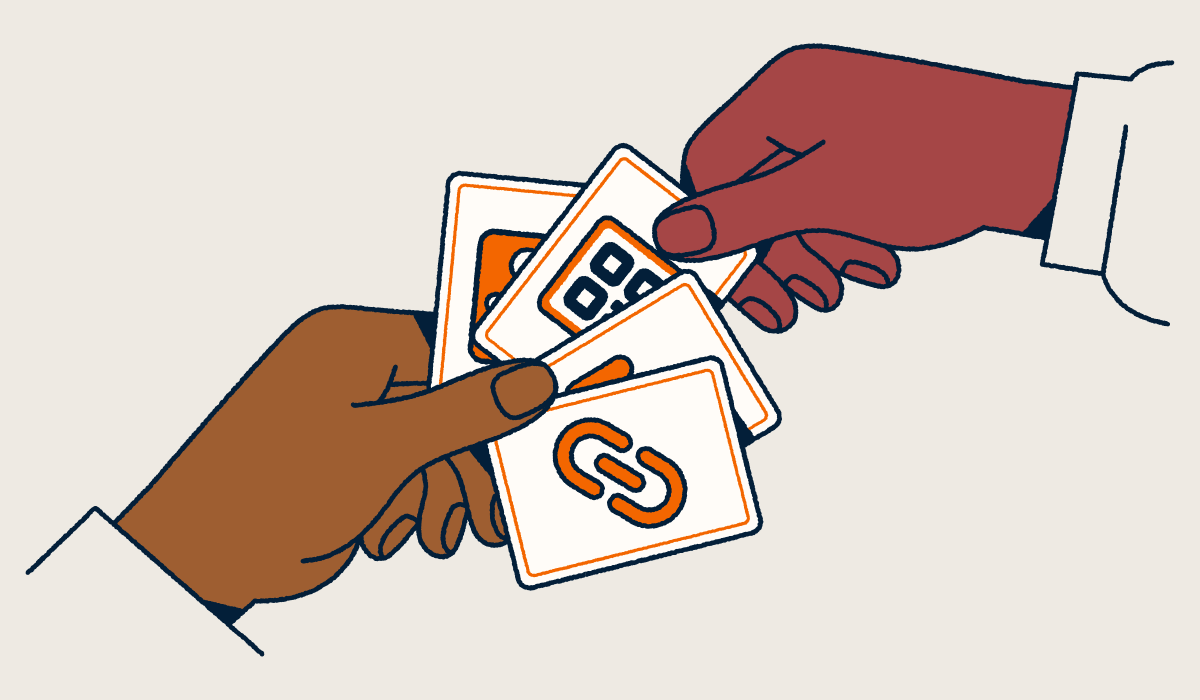
This guide explores how to build a measurable gamification strategy. We will show you how to use connectors like Bitly links and QR Codes to bridge the gap between in-store shoppers and digital loyalty programs. You will learn to use data to understand customer preferences and optimize your campaigns for long-term success.
Note: The brands and examples discussed below were found during our online research for this article.
Key takeaways
- Gamification helps retailers turn loyalty programs into engaging and repeatable experiences.
- The most effective gamified campaigns connect physical and digital touchpoints seamlessly.
- Short Links and QR Codes act as connectors that make gamification easy to access and scale.
- Reliable analytics reveal which games, rewards, and experiences actually drive customer engagement.
- Successful gamification evolves over time based on customer behavior rather than assumptions.
What gamification means in modern retail
Gamification in retail uses progress, rewards, challenges, and incentives to encourage ongoing customer participation. You might see this as a “spin to win” pop-up on a website or a progress bar in a mobile app. However, modern strategies go much deeper than these surface-level tactics.
In retail, gamification supports concrete business goals like customer retention, higher order values, and lifetime value rather than entertainment for its own sake. We’ve moved past the era of one-off “prize with purchase” tactics. Today, we see data-informed, loyalty-driven experiences.
For example, beauty brand Sephora uses gamification techniques within its Beauty Insider program to make spending feel like an achievement. Customers unlock new tiers and exclusive rewards as they engage. This structure taps into users’ natural desire for status and achievement. Once you see how gamification drives customer engagement, you’ll wonder how you ever operated without it.
Why loyalty programs are the foundation of retail gamification
Loyalty programs provide the structure needed for gamification to work over time. You cannot have a game without rules and a goal. Your loyalty program defines these elements.
Points, tiers, milestones, and rewards naturally align with game mechanics and create continuity across customer interactions. When a customer earns points for a purchase, they receive immediate positive feedback. This feedback loop encourages them to return. Retail gamification is most effective when participation is easy, and friction is minimal. If a customer has to jump through hoops to understand their status, you can easily lose them. A clear reward system keeps the player engaged and moving toward the next level.
How retailers use gamification to increase order value and repeat purchases
We need to view gamification as an applied strategy rather than a theory. Your initiatives should influence specific customer behaviors tied to revenue and retention. You want to motivate the customer to take a specific action that benefits your bottom line while providing them value.
Rewarding behaviors beyond purchases
Smart retailers gamify actions like account creation, reviews, referral programs, app engagement, or content interaction. A customer might earn points for writing a review or sharing a new product on social media. Amazon’s Vine program is a great example of such a system in action.
Rewarding multiple behaviors keeps customers engaged between purchases and strengthens loyalty loops. You capture customer attention even when they do not plan to buy something that day. This constant social interaction keeps your brand awareness high. When they are ready to buy, your brand is front-of-mind.
Encouraging higher order totals through challenges and incentives
Spend thresholds, bonus rewards, limited-time challenges, or progress-based incentives encourage customers to increase cart size. You might offer double points for orders over a certain amount or a free gift for trying a new category.
Clarity is essential here. Customers must always understand what they are working toward and why it benefits them. Visual trackers and leaderboards can show customers exactly how close they are to the next reward. This visibility drives urgency and motivates them to add that extra item to their cart.
Creating urgency without eroding trust
Time-bound challenges and limited rewards can drive action without feeling manipulative. You might run a weekend challenge where shoppers earn a badge or a discount for visiting a store.
Transparency and consistency maintain long-term trust. If you promise a reward, you must deliver it instantly. Gamified experiences that fail to deliver on their promises can damage brand loyalty quickly. Ensure your pricing and rewards remain consistent to keep players happy.
Using QR Codes and links to power gamified retail experiences
QR Codes for loyalty programs make gamification accessible, scalable, and measurable across physical and digital environments. You need a way to bridge the gap between your physical store and your digital platform.
Launching games and challenges with QR Codes
QR Codes enable instant access to games, loyalty actions, or challenges in-store, on packaging, or in printed materials. A shopper might scan a code on a shelf to take a quiz about their customer preferences and earn a discount.
QR Codes reduce friction by eliminating app downloads or long URLs. The customer scans and plays immediately. This ease of use can increase participation rates significantly.
Guiding participation with branded short links and landing pages
Branded links and dedicated landing pages create clear paths from promotion to participation. When you share a challenge on social media or via SMS, use a Bitly link that includes your brand name.
Consistent link structures ensure customers recognize and trust their destination. A link like yourbrand.promo/play tells the user exactly what to expect. This trust can increase click-through rates and ensure more people enter your gamification funnel.
Connecting offline moments to digital loyalty journeys
QR Codes and short links for loyalty program engagement bridge offline experiences with digital systems, so you ensure you don’t waste any engagement moment. A customer who buys a product in store can scan the receipt to spin a digital wheel or unlock a badge in your app. This connection unifies your gamification strategies across every channel.
How analytics make gamification more effective over time
Ongoing analytics offer a great way to learn and improve. You cannot just launch a game and hope for the best. You need to track performance to understand if your gamification techniques actually work.
Gamification strategies should evolve based on real engagement signals rather than intuition alone. Bitly provides the data you need to make these decisions. You can monitor scans and clicks to see which games attract the most players and which rewards drive the most redemptions. With UTM Tracking, you can automatically pass this information to your CRM and other deep-funnel analysis tools using the dozens of simple pre-built integrations available on the Bitly Marketplace.
What engagement data can reveal about gamified experiences
Metrics such as scans, clicks, location data, device type, and day-of-the-week trends indicate customer interest and participation. These insights show engagement patterns rather than just downstream purchases.
You might see that a quiz receives thousands of scans but very few completions. This data point tells you that the interest is high, but the game is too long or difficult. You can then adjust the game to improve completion rates. You might find that quizzes perform better with a specific demographic or on mobile devices. Staying on top of your gamification customer experience helps ensure that no effort goes to waste.
Using engagement insights to improve loyalty outcomes
It’s important to use your scan and click data to refine rewards, messaging, placement, and timing. You must iterate on your strategy to maximize results.
Reallocate promotions, adjust challenges, or improve clarity based on observed behavior. If a “treasure hunt” game drives foot traffic to a specific aisle, you can replicate that success in other areas. If a referral challenge falls flat, you can increase the incentive or move on to a new strategy. Data empowers you to build a gamification market strategy that delivers measurable ROI.
Using gamification to build long-term customer connections
The most successful gamification strategies are consistent, measurable, and aligned with loyalty goals. You use game-like elements to build a relationship, not just to make a sale.
Connectors enable participation, and analytics enable improvement. Bitly helps retailers manage these connections across channels. You can create branded links and QR Codes that make your games accessible everywhere, helping your team gain the insights you need to optimize your initiatives and drive sales.
Ready to level up your loyalty strategy? Log in to Bitly today to access the gamification infrastructure you need.
FAQs
What is gamification in retail?
Gamification in retail uses challenges, rewards, progress, and incentives to encourage customers to engage more frequently and meaningfully with a brand. It works best when tied to loyalty programs and repeat behaviors rather than one-time promotions.
How does gamification support loyalty programs?
Gamification gives loyalty programs structure and momentum by encouraging customers to earn points, unlock tiers, or complete challenges over time. This keeps customers engaged between purchases and makes loyalty benefits feel earned rather than transactional.
Can gamification increase average order value?
Yes. Retailers often use spend-based challenges, bonus thresholds, or limited-time rewards to encourage customers to add more items to their carts. Clear progress indicators and transparent rewards are key to making these incentives effective.
How do QR Codes fit into gamified retail experiences?
QR Codes make gamification easy to access by letting customers join challenges, earn rewards, or check progress instantly. They reduce friction by removing the need for apps, long URLs, or manual sign-ups.





